Privacy policies
GDPR data Terms of use Cookies policy Privacy policy Delivery and Payment How to order?
Privacy policies
GDPR data Terms of use Cookies policy Privacy policy Delivery and Payment How to order?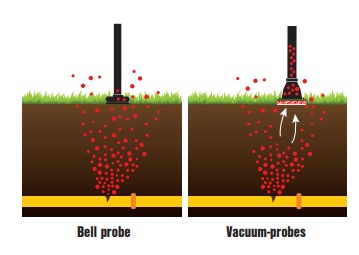

Description
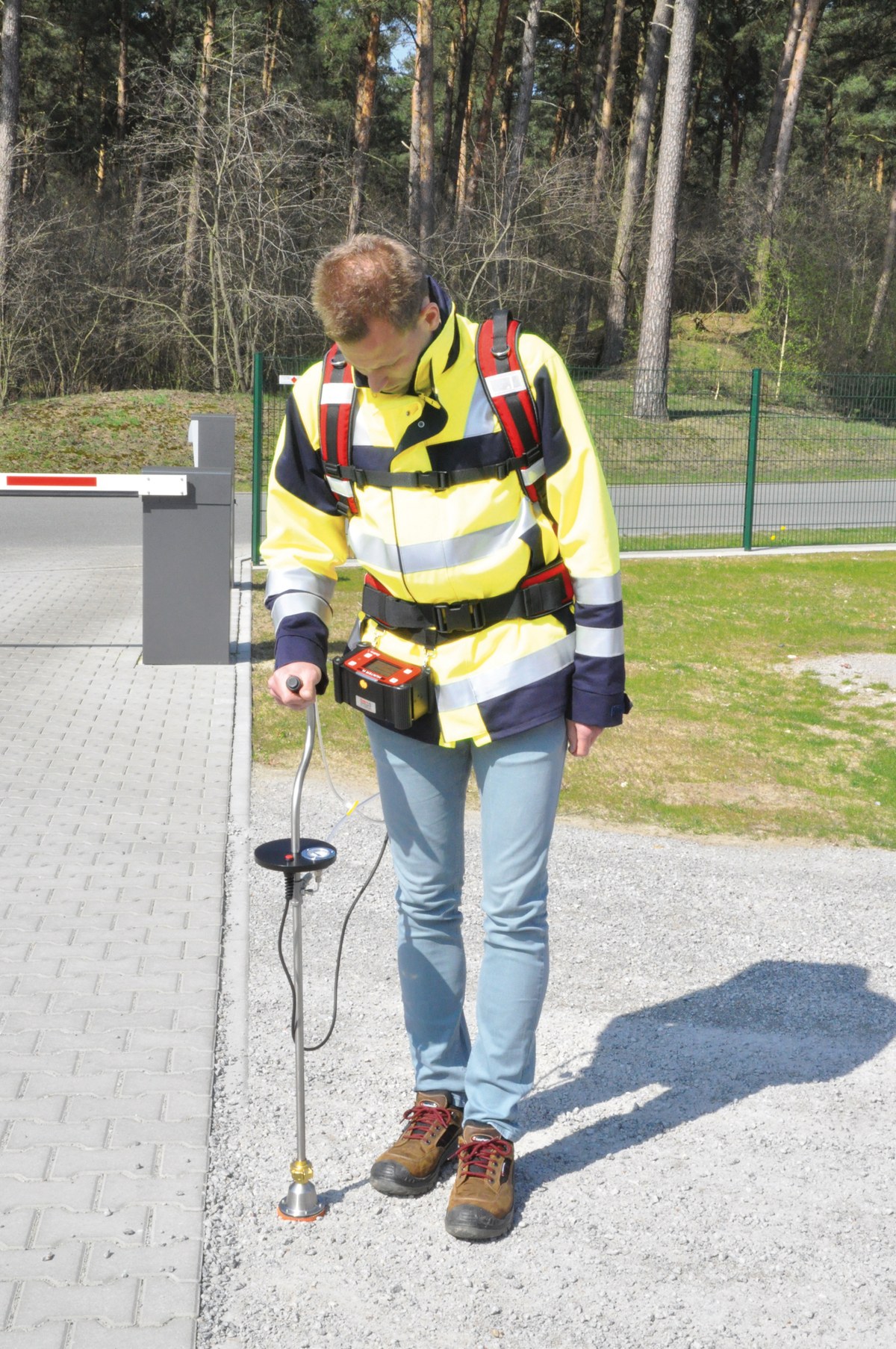
Mobile vacuum suction system for extrem sensitive gas detection.
What is the current situation?
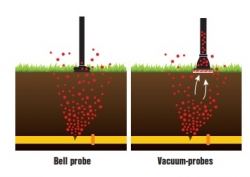
As we know, the process of detecting gas leaks is as follows: The gas enters the soil and spreads there. Diffusion processes and the different densities of the soil air and gas cause the gas to finally rise to the surface of the ground. Sealed or wet surfaces are more difficult for the gas to pass through. Leaks can only be localized if the gas rises to the surface of the ground „voluntarily" and in sufficient quantities.
And this is where vacuum technology helps.
Before the gas reaches the surface, it has collectedm in the ground and lies there as if absorbed bym a sponge in higher concentrations than on the surface
of the ground. To get meaningful indications on the gas detector even in particularly difficult situations, these cushions of gas are vacuumed.
More products ESDERS
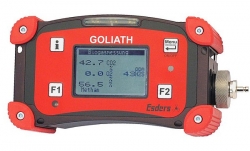
ESDERS GOLIATH BIOGAS ANALYZER
• Use of infrared sensors for CH4 and CO2 guarantee fast run-in period and extremely short response times and exclude cross-sensitivities to other gases. |
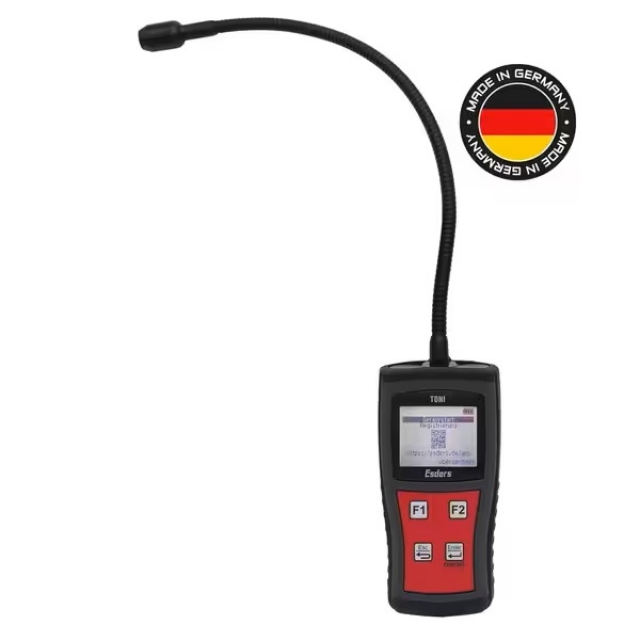
ESDERS TONI GASTEST CH4 GAS LEAK DETECTOR WITH SENSOR ON THE GOOSENECK
• Measurement range: 0 - 10.000 ppm methane
|
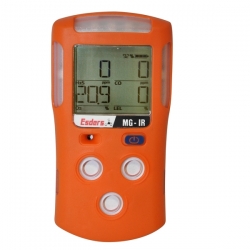
ESDERS MULTI GAS DETECTOR H2S CO O2 LEL
• 2 month battery life on a single charge (infrared version) |
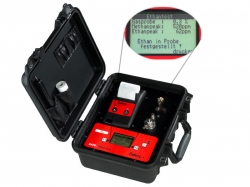
ESDERS SAFE ETHANTEST
• Taking the service box to the measurement site |
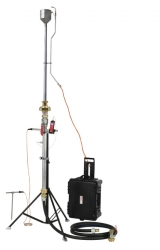
ESDERS GAS STANDPIPE
• Practical system with wide application |
ESDERS VACUUM-PROBES-SYSTEM VSS 15
• Complete with connection cable and metal plug |
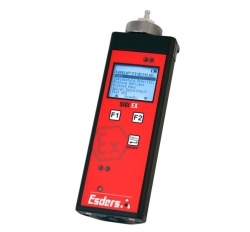
ESDERS SIGI EX FLAMMABLE GASES TESTER
• Improved sensor technology and adjustment options |
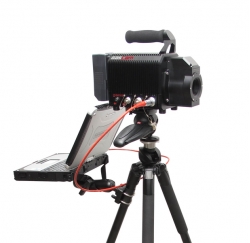
ESDERS GASCAM® SG METHANE GAS LEAK CAMERA VISUALISATION
• Infrared Lens |
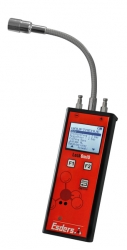
ESDERS LECKOMIO GAS DETECTOR
• Rugged hand-held instruments with ergonomic aluminum housing |
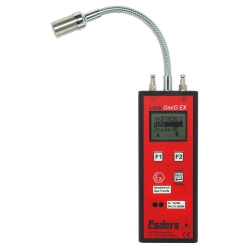
ESDERS LECKOMIO EX
• Extremely rugged hand-held measurement device as an individual or combination instrument in aluminium casing with very-well protected LCD display |






 Datasheet
  PDF, 1.9 Mb